Pet Spaying & Neutering in Fort Collins, CO
Midtown Veterinary Medical Center performs spay and neuter surgery for dogs and cats in Fort Collins, CO. Our veterinarians follow American Veterinary Medical Association guidelines and monitor your pet closely before, during, and after their procedure.
What Is Spay and Neuter Surgery?
Spaying and neutering are among the most common surgeries we perform, and both result in sterilization. Spaying (an ovariohysterectomy) removes the ovaries, uterus, and fallopian tubes, while neutering (castration) removes the testicles.
Beyond preventing pregnancy, these procedures can help lower the risk of certain diseases and reduce some unwanted behaviors. Our veterinarians can help you decide the best timing for your pet’s surgery.
What to Expect Before Surgery
Before any spay or neuter procedure, we take steps to confirm your pet is a good candidate for anesthesia:
- A physical exam to check your pet’s overall health
- Bloodwork to screen for underlying conditions
- An ECG for some pets, based on age or health history
- A calming medication to help your pet relax before surgery
Once your pet is ready, our team begins close monitoring. We track oxygen level, ECG, blood pressure, respiratory rate, and heart rate using our in-house diagnostics throughout the procedure.
Benefits of Spaying & Neutering
Spaying (ovariohysterectomy)
Neutering (castration)
What Happens During Surgery
- Spay surgery
We make a small incision below the navel to access and remove the uterus, ovaries, and fallopian tubes. Internal stitches dissolve over time, and the skin is closed with glue, staples, or sutures. Surgery typically takes about 20 minutes, with longer procedures for pets in heat. - Neuter surgery
We make a small incision near the base of the penis to remove both testicles. Internal sutures dissolve over time, and the skin is closed with surgical glue. Surgery usually takes 5 to 20 minutes, though undescended testicles can add time.
Recovery and Aftercare
- Set up a quiet, comfortable space away from other pets and stairs
- Limit running and jumping for 2 weeks, or longer if we recommend it
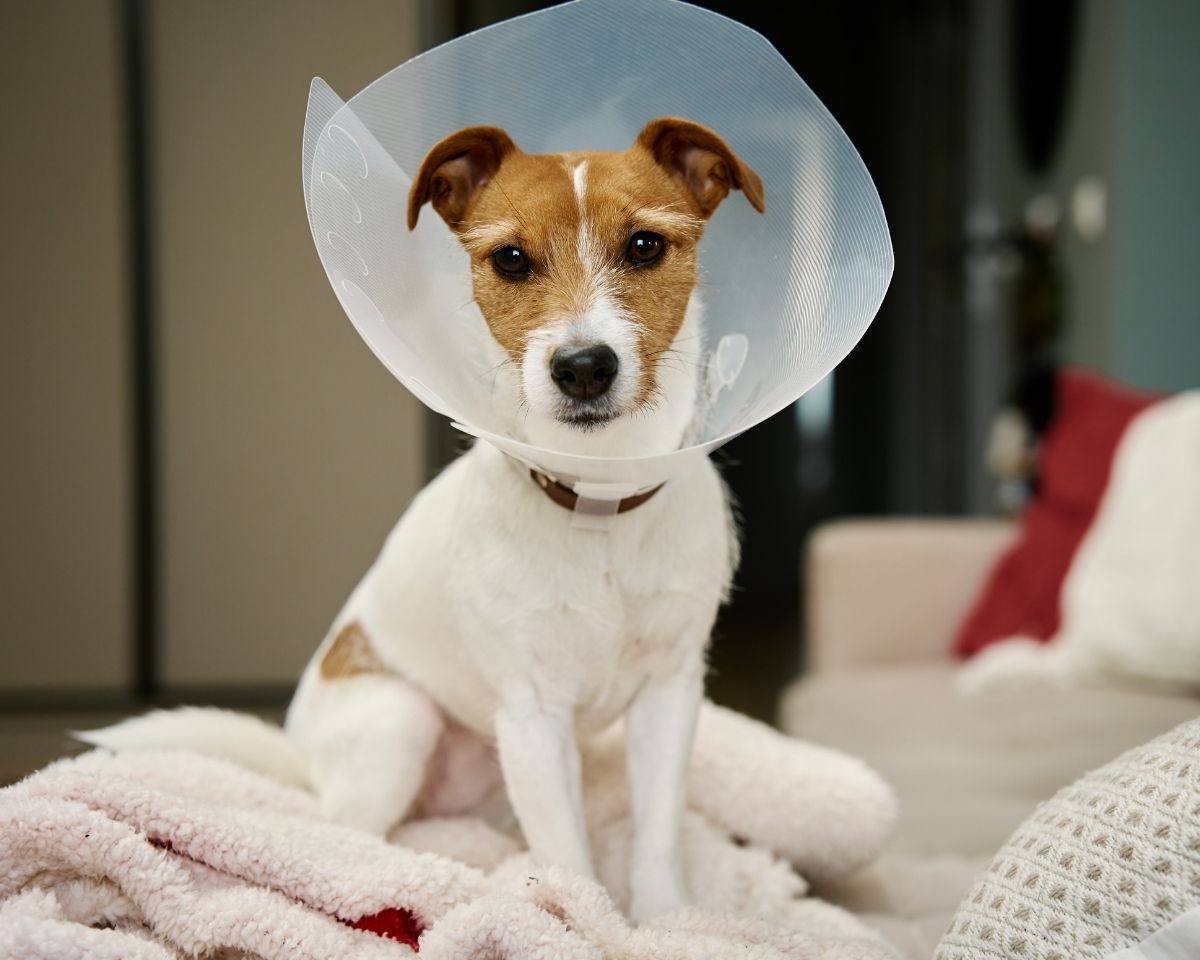
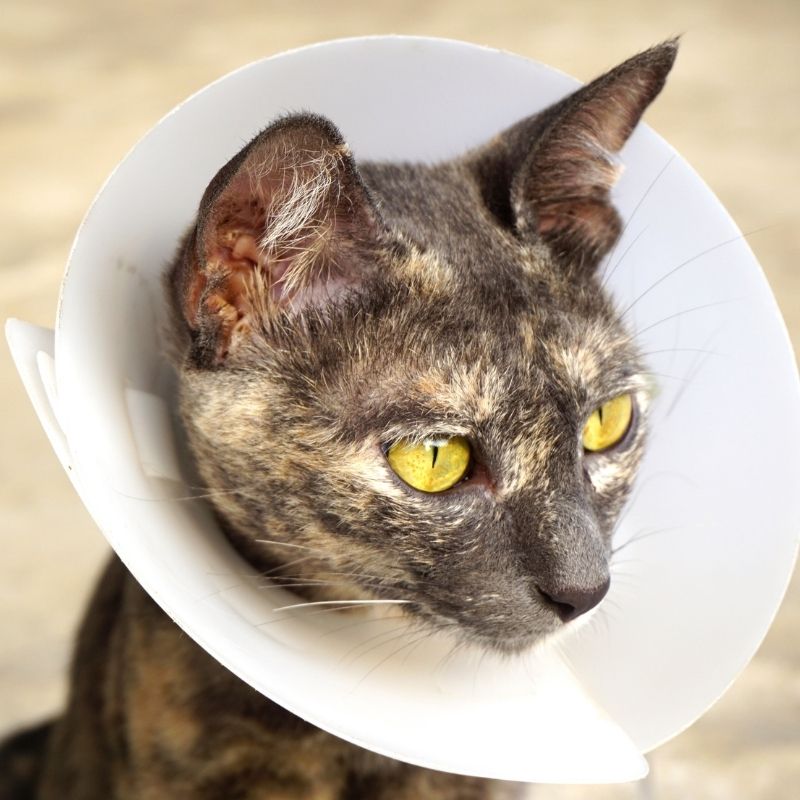
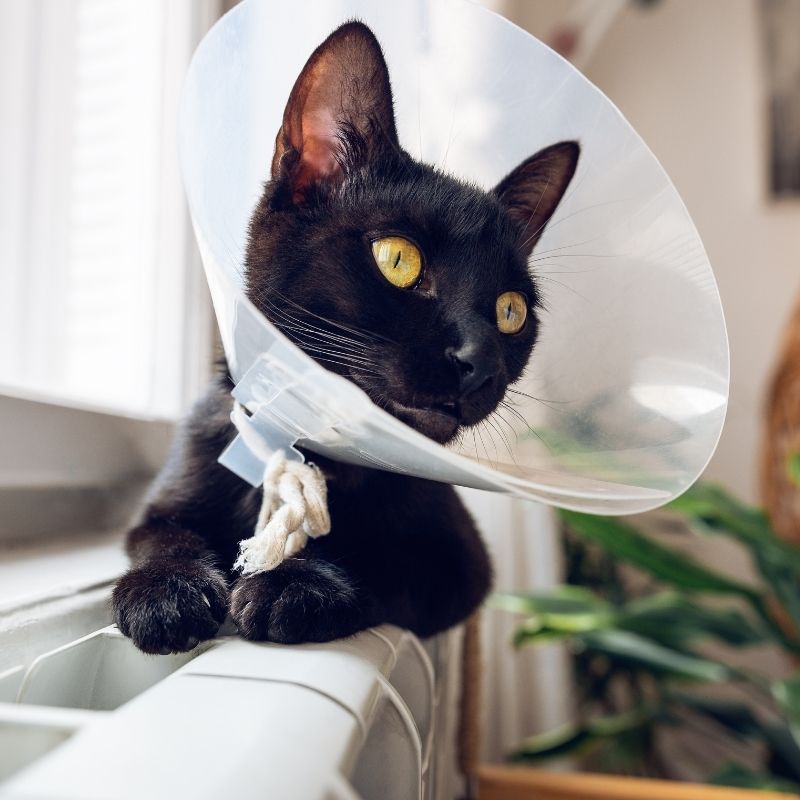
- Use a cone or recovery shirt to prevent licking at the incision
- Check the incision daily for redness, swelling, or discharge. We recommend taking a photo of the incision on Day 1 for comparison.
- Hold off on baths for at least 10 days after surgery
- Call us if your pet seems painful, lethargic, or won’t eat
Why Spay & Neuter Surgery Matters
Attentive Care From Our Veterinary Team
FAQs About Pet Spaying & Neutering
When should I spay or neuter my pet?
Timing depends on your pet's breed, size, and health. Our veterinarians can recommend the best age for your pet during a wellness exam.